
The Secret Formula Behind Campaigns That Go Viral And Why Most Fail
Discover why some campaigns go viral while others fail. Learn how psychology, behavior, strategy, and data-driven marketing create high-performing campaigns.
Quick Summary
- Why do most campaigns fail despite strong creative ideas?
- The psychology behind why people share content online
- Why emotional triggers matter more than visibility alone
- The common mistakes that stop campaigns from going viral
- The key elements that make campaigns share-worthy
- Why strategy and data matter more than chasing virality
Brands often chase one goal: going viral. A single campaign that spreads rapidly across platforms can generate massive visibility, brand recognition, and customer engagement within a short period of time. Yet for every campaign that goes viral, thousands fail to gain even minimal attention.
The difference between these outcomes is rarely accidental. Viral campaigns often succeed because they align with how the human brain reacts to information, emotion, and social behavior. Understanding these psychological triggers is what separates strategic marketing from random experimentation.
Today, successful campaigns are designed not only for visibility but also for how people perceive, process, and share information online.
The Psychology Behind Why People Share Content
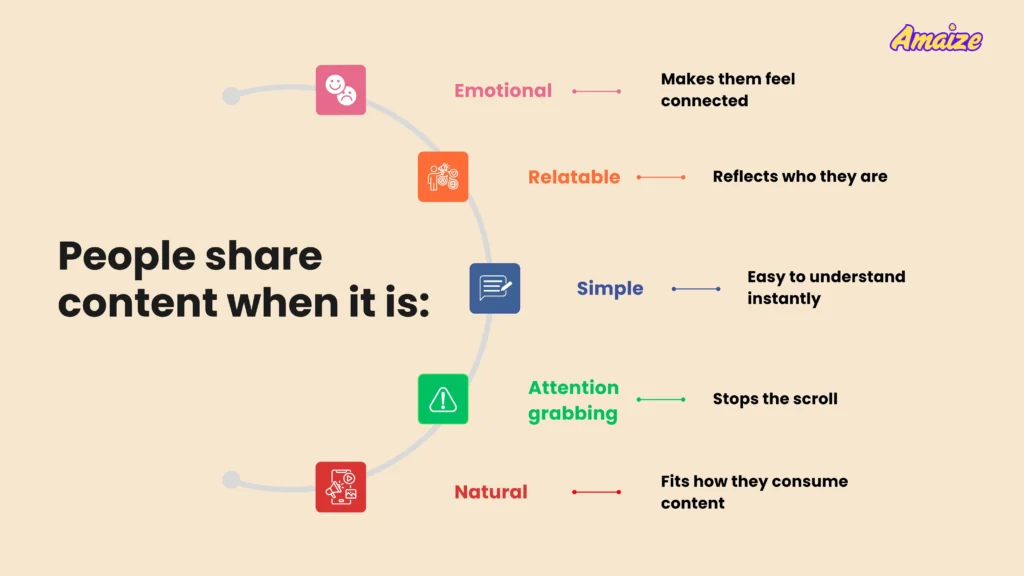
Human behavior on digital platforms is strongly influenced by emotional and cognitive triggers. People rarely share content simply because it exists. They share content because it creates a reaction that feels worth passing on to others.
Research in consumer psychology shows that content spreads faster when it triggers certain emotional responses.
Emotional Activation
Content that evokes strong emotions such as surprise, curiosity, excitement, or inspiration is far more likely to be shared. Emotion increases engagement and encourages people to interact with the message.
Social Identity
People share content that reflects how they want to be perceived by others. When a campaign aligns with values, humor, or social identity, audiences feel motivated to pass it along.
Simplicity
The brain processes simple messages faster. Campaigns with clear ideas and easy-to-understand visuals spread more easily because audiences immediately understand the message.
When these psychological triggers combine effectively, content becomes more likely to move organically across networks.
Why Most Campaigns Fail To Go Viral
While many businesses aim for viral success, most campaigns struggle because they overlook how audiences actually behave online.
A common mistake is focusing only on creativity without understanding how users interact with digital content. If a message is confusing, overly promotional, or lacks emotional engagement, it rarely motivates people to share it.
Another challenge is the speed of digital consumption. Users scroll quickly through feeds and make decisions within seconds. If a campaign does not capture attention immediately, it often gets ignored before the message is even processed.
Consistency also plays a role. Campaigns that feel disconnected from the brand’s identity or audience expectations struggle to gain traction.
What Successful Viral Campaigns Do Differently
Brands that consistently create high-performing campaigns focus on strategic design rather than luck. They build campaigns that align with both audience psychology and digital platform behavior.
Strong Emotional Hook
Successful campaigns begin with an idea that immediately sparks curiosity or emotional engagement.
Clear Message
Audiences should understand the core idea instantly without needing lengthy explanations.
Platform Awareness
Each platform has different user behavior patterns. Campaigns designed specifically for how users consume content on each platform perform significantly better.
Share-Friendly Content
Short videos, compelling visuals, and relatable storytelling encourage people to interact and share the message with their networks.
This approach isn’t just theoretical, it’s something we’ve applied in real campaigns, delivering outcomes that align closely with client expectations.
The Role Of Data In Modern Campaign Performance
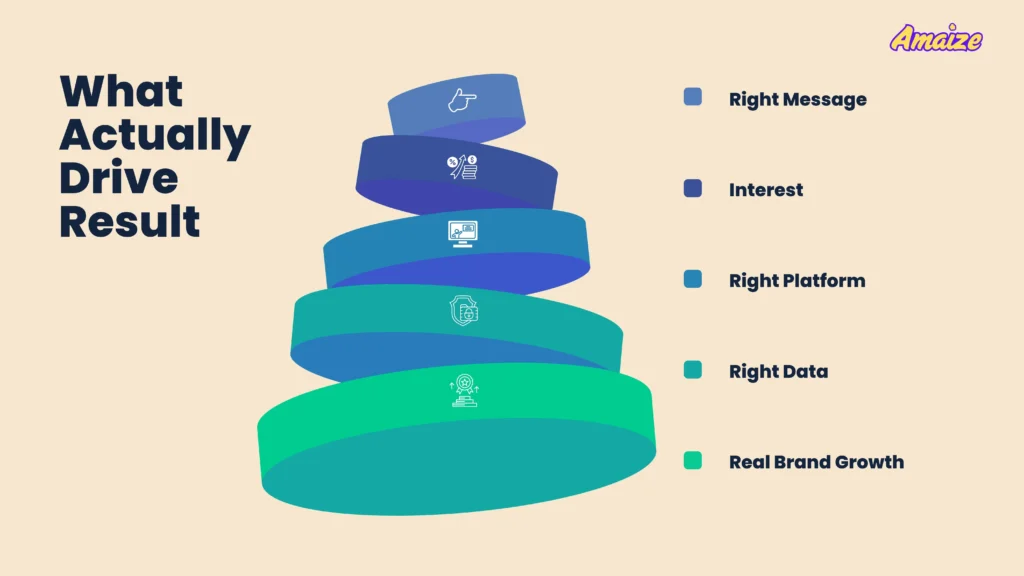
In today’s marketing environment, creativity alone is not enough. Data and performance insights play a critical role in shaping successful campaigns.
Modern marketing teams analyze user behavior, engagement patterns, and search trends to understand what resonates with audiences. This allows them to refine messaging and optimize campaigns before scaling them further.
In Singapore’s competitive digital landscape, businesses increasingly rely on Search engine marketing Singapore expertise to align campaigns with real search behavior and online visibility patterns. When search data and creative strategy work together, marketing efforts become far more effective.
Why Strategy Matters More Than Virality
While viral success can generate significant attention, sustainable marketing growth comes from strategy rather than unpredictable spikes in popularity.
The most effective campaigns are not designed purely to chase virality. Instead, they focus on building meaningful engagement and long-term brand recognition.
When campaigns are built with a deep understanding of psychology, digital behavior, and performance analytics, they naturally attract stronger engagement and wider reach.
Final Thoughts
Viral campaigns may appear spontaneous, but behind most successful examples lies careful planning and psychological insight. Brands that understand how people think, react, and share content are far more likely to create campaigns that resonate.
In the modern digital landscape, attention is limited and competition is intense. Businesses that combine creativity with behavioral understanding gain a significant advantage.
Build Campaigns That Truly Connect
Creating campaigns that attract attention and drive engagement requires more than creative ideas. It requires strategic thinking, audience insight, and performance-driven execution.
At Amaize Digital, we help brands design marketing strategies that combine creativity, behavioral psychology, and data-driven insights to create meaningful impact campaigns that not only reach audiences but truly connect with them.
Recent Posts
Latest Posts


Advertisment
Follow us on
Quick Summary
- Why frequent visibility alone does not guarantee brand recall?
- The psychology behind how customers remember brands
- Why do many brands become forgettable despite heavy marketing?
- The elements that make brands recognizable in today’s market
- Why does strategic branding strengthen long-term brand recognition?
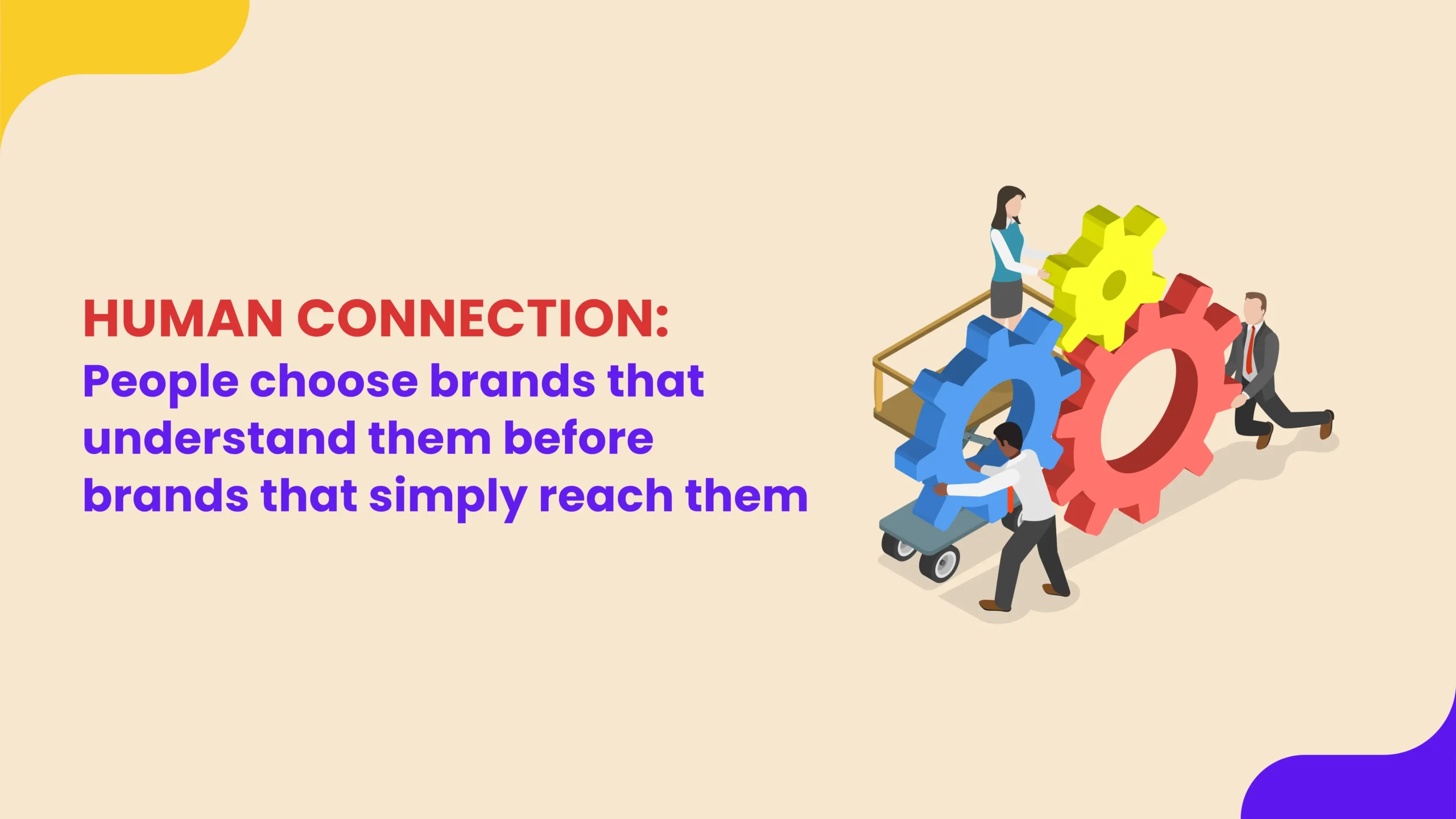
Most businesses still follow an old belief about branding. They assume that if people see their brand often enough, they will eventually remember it. Years ago, when marketing channels were limited, this approach worked.
But today the digital environment is completely different.
Customers scroll through hundreds of messages, advertisements, and brand visuals every single day. Their attention is limited, and their brain filters information rapidly. Because of this, visibility alone no longer guarantees memorability.
What actually determines whether a brand stays in someone’s mind is how clearly and consistently it communicates its identity. Brands that feel distinctive and psychologically recognizable are the ones customers remember. The rest often disappear within seconds.
What Is Brand Recall and Why It Matters
Brand recall refers to a customer’s ability to remember a brand when thinking about a product, service, or category without seeing the brand name directly.
When strong brand recall exists, customers instinctively think of a brand when they need a solution. This makes marketing more effective and gives businesses a significant advantage in competitive markets.
Without brand recall, even highly visible brands risk being forgotten moments after customers encounter them.
The Psychology Behind Brand Memory
The human brain cannot store every piece of information it encounters. To manage this constant flow of information, it relies on mental shortcuts that help prioritize what feels clear, meaningful, and emotionally engaging.
Because of this filtering process, not every brand message gets remembered. Only the ones that feel easy to understand and psychologically engaging stay in memory.
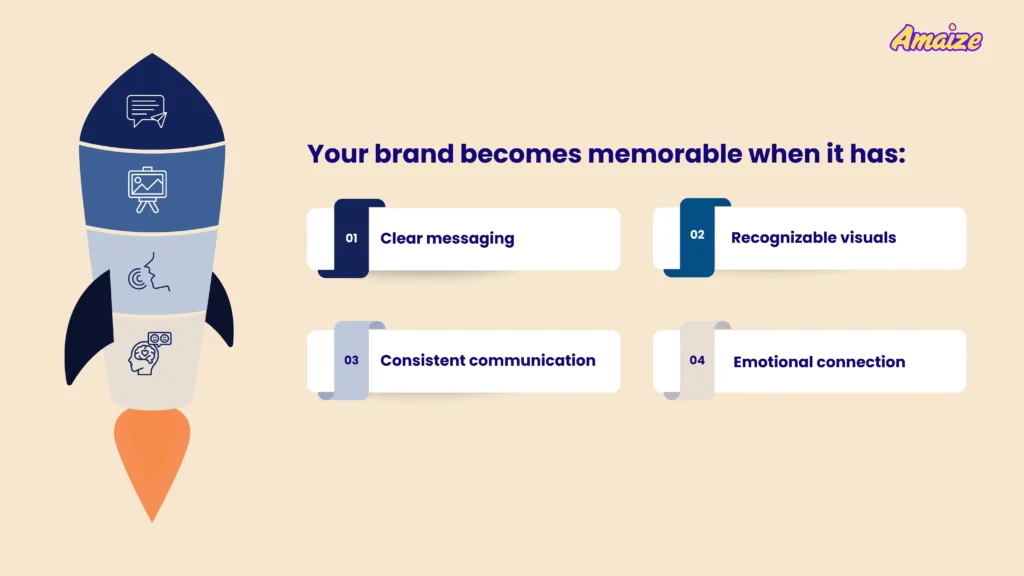
Three psychological factors strongly influence brand recall and recognition.
Clarity
When messaging is simple and focused, the brain processes it quickly. Clear brand communication reduces cognitive effort, making the brand easier to understand and easier to remember.
Consistency
Brands that maintain consistent visuals, tone, and messaging create stronger recognition. Over time, repeated exposure to the same visual identity and message helps customers form a clear mental association with the brand.
Emotion
Emotion plays a powerful role in memory. Experiences that trigger curiosity, trust, or excitement are far more likely to stay in people’s minds compared to neutral interactions.
When these three elements work together, a brand becomes familiar. And familiarity naturally strengthens the brand recall.
Why Many Brands Are Forgotten Instantly
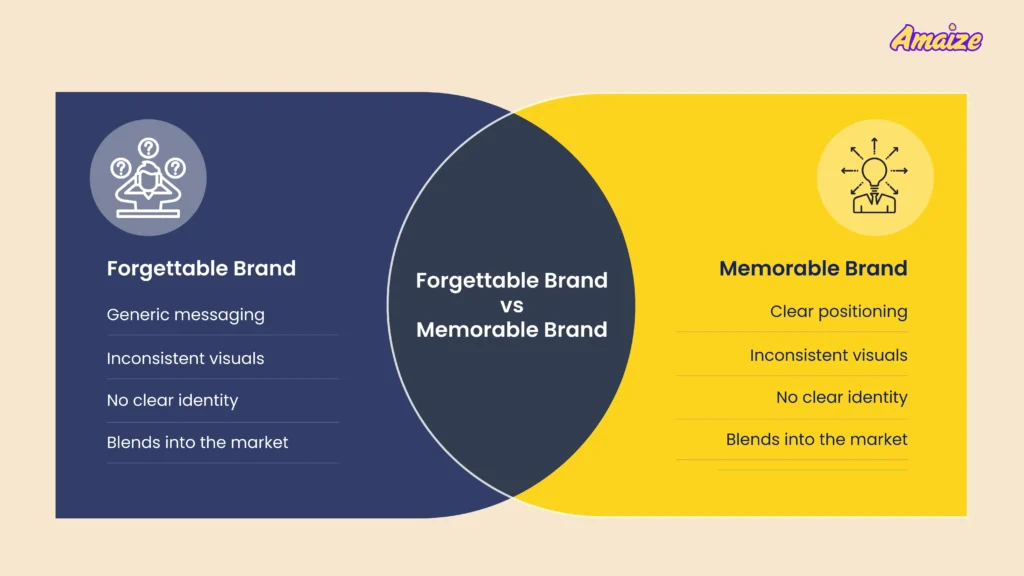
Many businesses invest heavily in advertising and content creation, yet their brands remain forgettable. The reason is simple. Visibility without a clear identity does not create lasting impressions.
When branding lacks structure, customers struggle to categorize the business in their minds. If visuals change frequently, messaging feels generic, or the brand voice lacks personality, the brain finds no reason to store that information.
As a result, the brand blends into the background of countless other businesses competing for attention.
Memorable brands solve this by building a distinctive identity that customers can quickly recognize and understand.
What Makes a Brand Memorable in Today’s Market
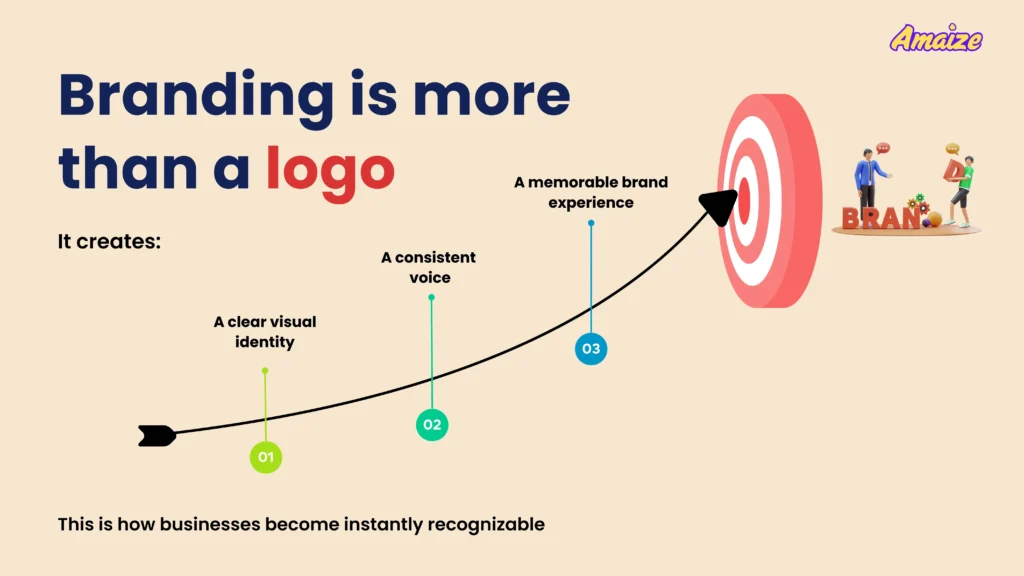
Modern branding is no longer just about logos or colors. It is about creating a recognizable perception that customers can immediately associate with your business.
Strong brands focus on several important elements.
Distinctive Visual Identity
Unique colors, typography, and design styles make a brand visually recognizable and strengthen brand recognition.
Clear Brand Positioning
Customers remember brands that communicate a clear purpose and value.
Consistent Brand Voice
A consistent tone across websites, social media, and marketing materials strengthens familiarity and recall.
Meaningful Brand Experience
When customers have positive or engaging experiences with a brand, they are far more likely to remember it.
When these elements align, branding moves beyond design and becomes a psychological anchor in the customer’s memory.
Why Strategic Branding Matters
Memorable brands rarely happen by accident. They are intentionally designed to create recognition, clarity, and trust over time.
Strategic branding aligns visual identity, messaging, and customer experience so that every interaction reinforces the same perception. This consistency helps customers recognize the brand faster and feel more confident engaging with it.
This is why many businesses partner with agencies that specialize in brand strategy and identity development. As a forward-thinking branding agency in Singapore, Amaize Digital focuses on helping companies build distinctive brand identities that stand out in competitive markets. By combining design strategy, behavioral insight, and digital expertise, brands can create stronger recognition and long-term customer recall.
Final Thoughts
Customers remember brands that feel clear, consistent, and emotionally meaningful. In a world where attention is limited, memorability becomes one of the most valuable advantages a business can build.
The brands that stay in people’s minds are not always the ones that appear most frequently. They are the ones that communicate their identity in a way the human brain can easily recognize and store an approach that companies like Amaize Digital focus on when shaping memorable brand experiences.
When branding is built strategically, it transforms from simple visual design into something far more powerful and lasting in the customer’s memory.
Recent Posts
The Secret Formula Behind Campaigns That Go Viral And Why Most Fail
19/03/2026
No Comments