Meme Marketing Done Right: Driving Engagement Without Losing Brand Credibility
Learn how to use meme marketing strategically to drive engagement without damaging brand credibility. Discover psychology, timing, and cultural relevance.
Quick Summary
- Why most brands fail at meme marketing despite chasing trends
- The psychology behind why people engage with memes
- How familiarity, emotion, and culture drive meme performance
- The common mistakes that damage brand credibility
- What makes meme marketing effective and brand-safe
- Why strategy matters more than simply following trends
Most brands shouldn’t be doing meme marketing. Because most brands don’t understand internet culture.
Digital culture moves fast. Trends appear overnight, spread across platforms within hours, and disappear just as quickly. Among these trends, meme marketing has become one of the most powerful tools brands use to capture attention and drive engagement.
Memes are simple, relatable, and instantly recognizable. When used correctly, they can generate massive interaction, shares, and brand visibility. But there is also a challenge. Many brands jump into meme marketing without strategy, and instead of building engagement, they damage their credibility.
You’ve seen it before. A corporate brand posts a trending meme and the comments are full of “What is this?” and “Please stop.” That’s not engagement. That’s brand damage in real time.
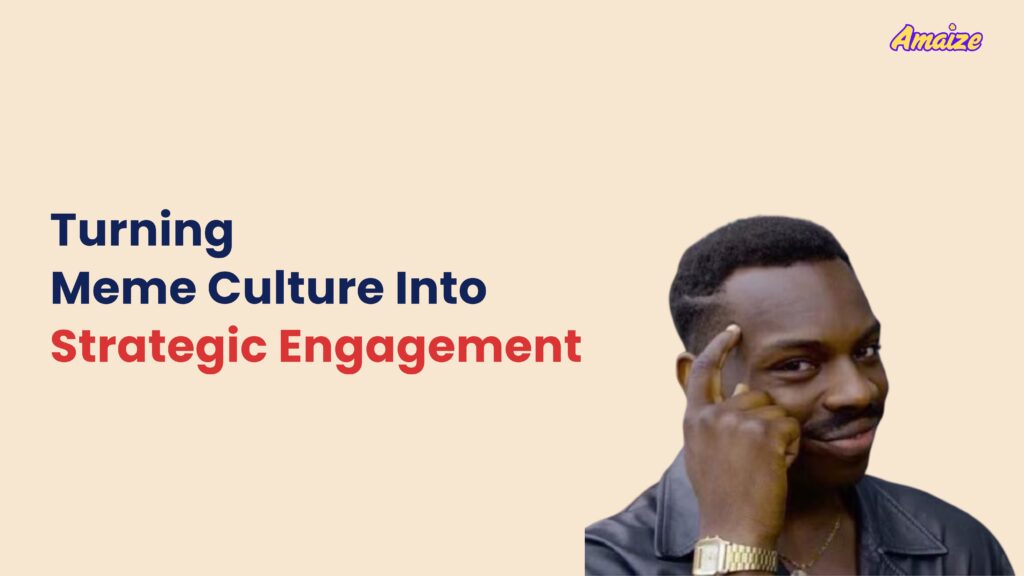
The difference between successful meme marketing and embarrassing brand moments often comes down to one thing: understanding how people psychologically respond to humor and cultural signals online.
Why Memes Work So Well in Digital Marketing
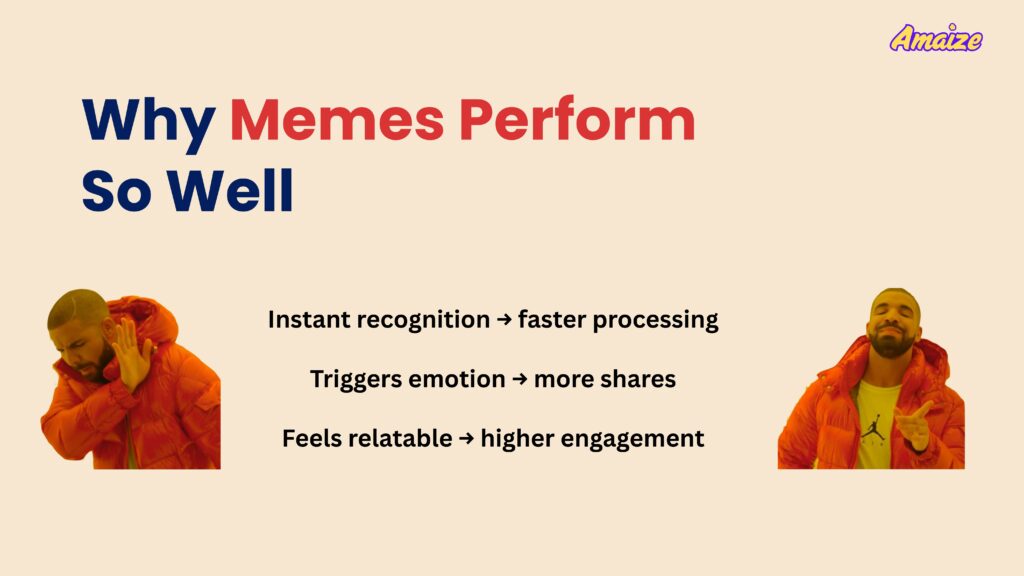
Memes are not simply internet humor. They are a form of cultural communication. A meme carries a shared meaning that audiences immediately recognize, which is why people process them faster than traditional marketing messages.
From a psychological perspective, memes trigger quick emotional responses in the brain. When people recognize a meme format or reference, their brain experiences what psychologists call cognitive fluency, the feeling that something is easy to understand.
This instant recognition creates a sense of connection. People feel like they are “in on the joke,” which makes them more likely to engage, like, comment, or share.
Because social media platforms reward engagement, meme-based content often spreads quickly across networks. Not because they are funny, but they go viral because they are instantly understood and connected.
The Neuro Psychology Behind Viral Meme Engagement
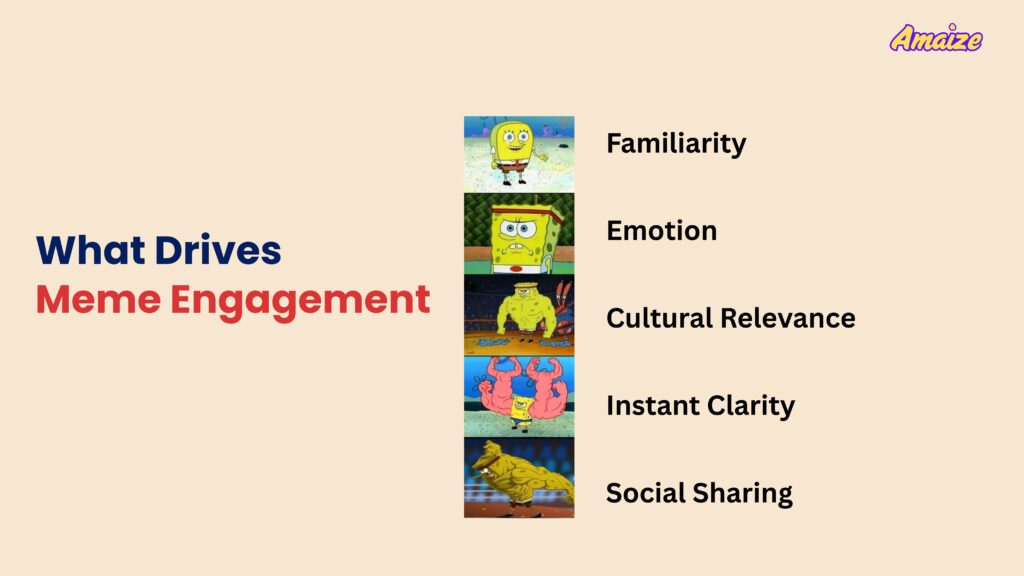
The human brain responds strongly to three psychological triggers that memes naturally activate.
Familiarity
Memes rely on recognizable formats or cultural references. When people see something familiar, their brain processes it faster and feels more comfortable engaging with it.
Emotional Reaction
Humor activates emotional centers in the brain. Content that makes people laugh or smile is far more likely to be shared with others.
Social Belonging
Sharing memes helps people express identity and connect with communities. When users share a meme, they are often signaling that they understand the culture behind it.
These psychological factors explain why memes can generate significantly higher engagement than standard promotional posts.
Why Many Brands Get Meme Marketing Wrong
Despite its popularity, meme marketing often fails when brands try too hard to imitate internet culture without understanding it.
One common mistake is forcing brand messaging into a meme format that feels unnatural. Audiences can immediately detect when humor feels artificial or overly promotional.
If your meme looks like an ad pretending to be funny, people don’t laugh. They scroll.
Another issue is poor timing. Internet culture moves quickly, and memes lose relevance very fast. Posting a meme 3 days late doesn’t make you relevant. It makes you look like a brand trying to catch up.
Tone is another risk factor. If a meme contradicts the brand’s voice or values, it may create confusion rather than engagement.
When meme marketing lacks cultural awareness and strategic thinking, it can weaken brand credibility instead of strengthening it.
How Smart Brands Use Meme Marketing Strategically
Successful brands approach memes differently. They do not treat memes as random jokes but as strategic tools for connecting with audiences.
Align Humor With Brand Personality
Memes should reflect the brand’s voice rather than contradict it. When humor feels authentic to the brand, audiences respond more positively.
Not every brand needs to be funny, and that’s okay. The goal is relevance, not forced humor.
Understand Platform Culture
Different platforms have different meme cultures. Content that works on Instagram may feel out of place on LinkedIn or other professional networks.
Keep The Message Simple
Memes work best when the message is quick and instantly understandable. Overcomplicating the idea reduces the impact. If your meme needs explanation, it’s already failed.
Act Quickly But Thoughtfully
Trends move fast, but reacting too quickly without considering brand alignment can create problems. The key is balancing speed with strategic judgment.
Brands that follow these principles can enjoy the engagement benefits of memes without sacrificing credibility.
Why Creativity Still Needs Strategy
While memes appear spontaneous, the most successful campaigns are rarely accidental. They combine cultural awareness, audience understanding, and creative storytelling.
For example, a B2B brand we worked with increased engagement by over 2x simply by shifting from generic posts to culturally relevant meme formats while still maintaining a professional tone.
Same audience. Same product. Completely different response.
This is where professional expertise becomes valuable. Many businesses collaborate with companies like Amaize Digital, a Creative agency in Singapore, to develop content strategies that balance humor, brand identity, and audience engagement.
When creativity is supported by strategic thinking, meme marketing becomes far more effective and sustainable.
Final Thoughts
Meme marketing has transformed the way brands communicate with audiences online. It allows businesses to participate in digital culture, build relatability, and generate strong engagement.
However, successful meme marketing requires more than simply following trends. It requires understanding audience psychology, cultural timing, and brand consistency.
The brands that win are not the funniest.
They are the most culturally aware.
When these elements align, memes can become powerful tools that strengthen brand connection rather than weaken it.
Create Engaging Content Without Losing Brand Identity
At Amaize Digital, we help brands develop creative strategies that combine cultural insight, audience psychology, and digital marketing expertise.
If your brand wants to stay relevant without becoming a joke, you need more than trends. You need strategy.
Our team focuses on creating content that feels authentic, engaging, and aligned with your brand identity, ensuring that creativity supports long-term credibility.
Recent Posts
Latest Posts
Advertisment
Follow us on
Quick Summary
- Why most brands fail at meme marketing despite chasing trends
- The psychology behind why people engage with memes
- How familiarity, emotion, and culture drive meme performance
- The common mistakes that damage brand credibility
- What makes meme marketing effective and brand-safe
- Why strategy matters more than simply following trends
Most brands shouldn’t be doing meme marketing. Because most brands don’t understand internet culture.
Digital culture moves fast. Trends appear overnight, spread across platforms within hours, and disappear just as quickly. Among these trends, meme marketing has become one of the most powerful tools brands use to capture attention and drive engagement.
Memes are simple, relatable, and instantly recognizable. When used correctly, they can generate massive interaction, shares, and brand visibility. But there is also a challenge. Many brands jump into meme marketing without strategy, and instead of building engagement, they damage their credibility.
You’ve seen it before. A corporate brand posts a trending meme and the comments are full of “What is this?” and “Please stop.” That’s not engagement. That’s brand damage in real time.
The difference between successful meme marketing and embarrassing brand moments often comes down to one thing: understanding how people psychologically respond to humor and cultural signals online.
Why Memes Work So Well in Digital Marketing
Human behavior on digital platforms is strongly influenced by emotional and cognitive triggers. People rarely share content simply because it exists. They share content because it creates a reaction that feels worth passing on to others.
Research in consumer psychology shows that content spreads faster when it triggers certain emotional responses.
The Neuro Psychology Behind Viral Meme Engagement
The human brain responds strongly to three psychological triggers that memes naturally activate.
Familiarity
Memes rely on recognizable formats or cultural references. When people see something familiar, their brain processes it faster and feels more comfortable engaging with it.
Emotional Reaction
Humor activates emotional centers in the brain. Content that makes people laugh or smile is far more likely to be shared with others.
Social Belonging
Sharing memes helps people express identity and connect with communities. When users share a meme, they are often signaling that they understand the culture behind it.
These psychological factors explain why memes can generate significantly higher engagement than standard promotional posts.
Why Many Brands Get Meme Marketing Wrong
Despite its popularity, meme marketing often fails when brands try too hard to imitate internet culture without understanding it.
One common mistake is forcing brand messaging into a meme format that feels unnatural. Audiences can immediately detect when humor feels artificial or overly promotional.
If your meme looks like an ad pretending to be funny, people don’t laugh. They scroll.
Another issue is poor timing. Internet culture moves quickly, and memes lose relevance very fast. Posting a meme 3 days late doesn’t make you relevant. It makes you look like a brand trying to catch up.
Tone is another risk factor. If a meme contradicts the brand’s voice or values, it may create confusion rather than engagement.
When meme marketing lacks cultural awareness and strategic thinking, it can weaken brand credibility instead of strengthening it.
How Smart Brands Use Meme Marketing Strategically
Successful brands approach memes differently. They do not treat memes as random jokes but as strategic tools for connecting with audiences.
Align Humor With Brand Personality
Memes should reflect the brand’s voice rather than contradict it. When humor feels authentic to the brand, audiences respond more positively.
Not every brand needs to be funny, and that’s okay. The goal is relevance, not forced humor.
Understand Platform Culture
Different platforms have different meme cultures. Content that works on Instagram may feel out of place on LinkedIn or other professional networks.
Keep The Message Simple
Memes work best when the message is quick and instantly understandable. Overcomplicating the idea reduces the impact. If your meme needs explanation, it’s already failed.
Act Quickly But Thoughtfully
Trends move fast, but reacting too quickly without considering brand alignment can create problems. The key is balancing speed with strategic judgment.
Brands that follow these principles can enjoy the engagement benefits of memes without sacrificing credibility.
Why Creativity Still Needs Strategy
While memes appear spontaneous, the most successful campaigns are rarely accidental. They combine cultural awareness, audience understanding, and creative storytelling.
For example, a B2B brand we worked with increased engagement by over 2x simply by shifting from generic posts to culturally relevant meme formats while still maintaining a professional tone.
Same audience. Same product. Completely different response.
This is where professional expertise becomes valuable. Many businesses collaborate with companies like Amaize Digital, a Creative agency in Singapore, to develop content strategies that balance humor, brand identity, and audience engagement.
When creativity is supported by strategic thinking, meme marketing becomes far more effective and sustainable.
Final Thoughts
Meme marketing has transformed the way brands communicate with audiences online. It allows businesses to participate in digital culture, build relatability, and generate strong engagement.
However, successful meme marketing requires more than simply following trends. It requires understanding audience psychology, cultural timing, and brand consistency.
The brands that win are not the funniest.
They are the most culturally aware.
When these elements align, memes can become powerful tools that strengthen brand connection rather than weaken it.
Create Engaging Content Without Losing Brand Identity
At Amaize Digital, we help brands develop creative strategies that combine cultural insight, audience psychology, and digital marketing expertise.
If your brand wants to stay relevant without becoming a joke, you need more than trends. You need strategy.
Our team focuses on creating content that feels authentic, engaging, and aligned with your brand identity, ensuring that creativity supports long-term credibility.
Recent Posts
Google Doesn’t Reward Effort. It Rewards Strategy. Here’s the SEO Playbook
16/02/2026
No Comments